
HA-HA

Tainui. Regan Tamanui is World famous in Melbourne, Street Artist HA-HA.
Regan is a self-taught artist, having began exhibiting by spraying stencils in Melbourne’s laneway’s in 2002, under the name of HA-HA.
He is now known as one of the founders of the stencil art movement internationally, and his work is seen in galleries around the world.

HA-HA
Personal Statement - Regan Tamanui / HA-HA
My work explores the space between reality, memory and imagination. Through moving image, sound, meditation and augmented space, I am interested in how people can exist in more than one world at the same time.
My Desert Island AR concept is a place of shifting realities. It invites people to be present in the physical world while also entering an AR environment and an internal meditative state. For me, this creates a layered experience where the real, the virtual and the emotional can sit together at once.
The island is imagined as a living world that responds to feeling and perception. It may change with emotion - becoming bright, open and sunny, or grey, distant and reflective. It can also move through different states of life, carrying people back to youth, into middle age, or forward into imagined futures. I see it as a poetic space where time, identity and choice are fluid.
Music is central to this vision. I am inspired by African electronic rhythms, movement and style and by the spiritual cycles of life, return and transformation. These influences shape the island as a place of rhythm, contemplation and possibility.
The values behind this work connect strongly to Good Health and Well Being, Quality Education and Affordable and Clean Energy. I want the work to support reflection, open imaginative learning and suggest new ways of thinking about how we live together in the world.
At its heart, this project is about creating an artistic experience that feels alive - a space where people can pause, shift perspective and encounter another version of reality.
〰️ 3 x videos for your AR+ desert island
〰️ 3 x videos for your AR+ desert island
#3 i like the African electronic music movement there’s a certain beat & the way they dress that from my perspective that is reminiscent of the hari krisna reincarnation cycle of life perhaps the island can take people to different time periods of their life time to experience ( etc take them back to youth or middle aged or even future realities of old age)
#1 this video is a guided Meditation it is for shifting realities , you can exist in the real world ( current reality) while experimenting an AR world ( desert island) & experiencing an another reality through meditation thus existing in 3 realities at once.
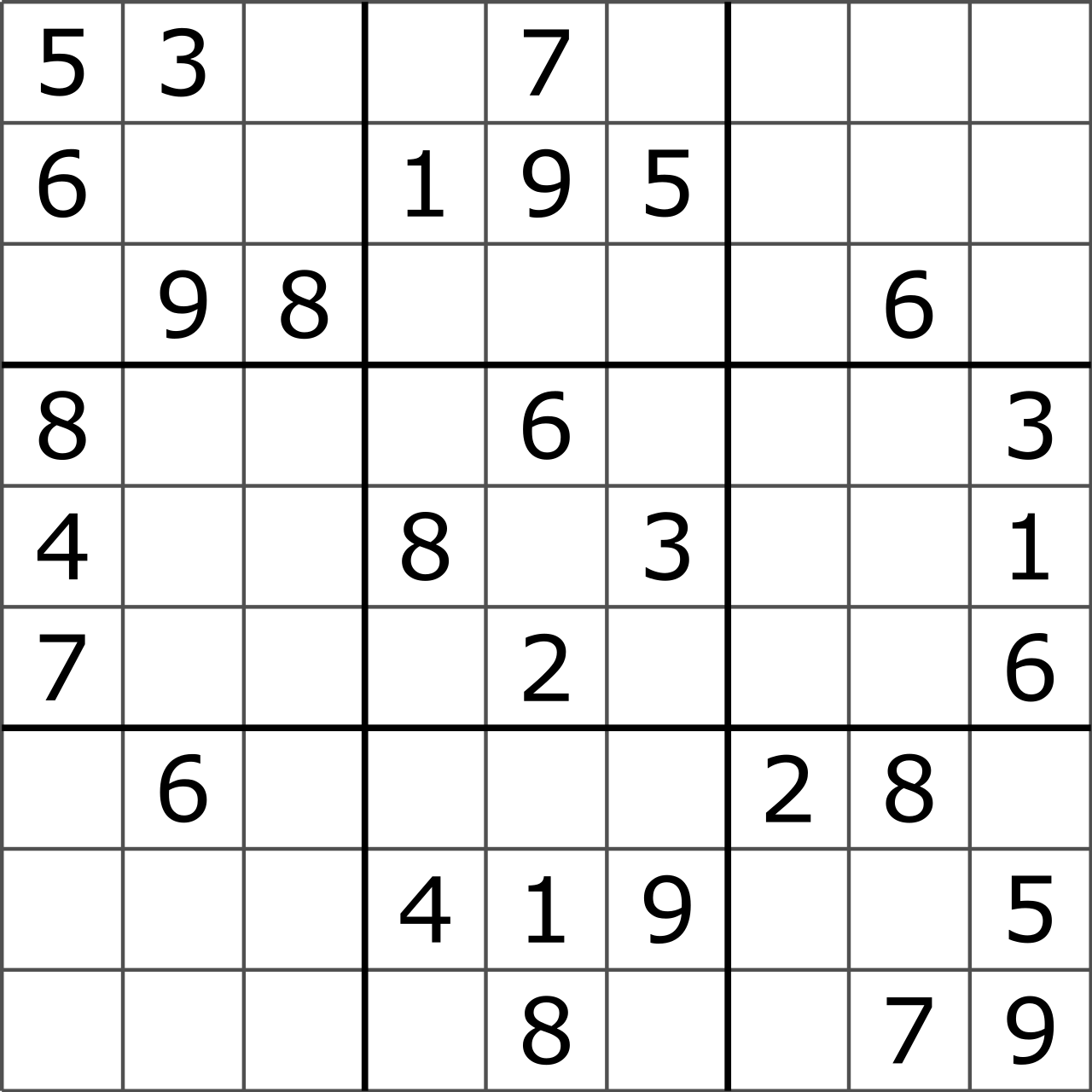
#2 this video is about a one world reality ( there are really multiple realities existing at once) or what i call the game of life , its like sudoku you have choice of play - easy , medium & hard. The island is like a one world experience perhaps the island can adapt to your emotional out on the day ( happy - sunny, sad - gray clouds etc) present different skill levels
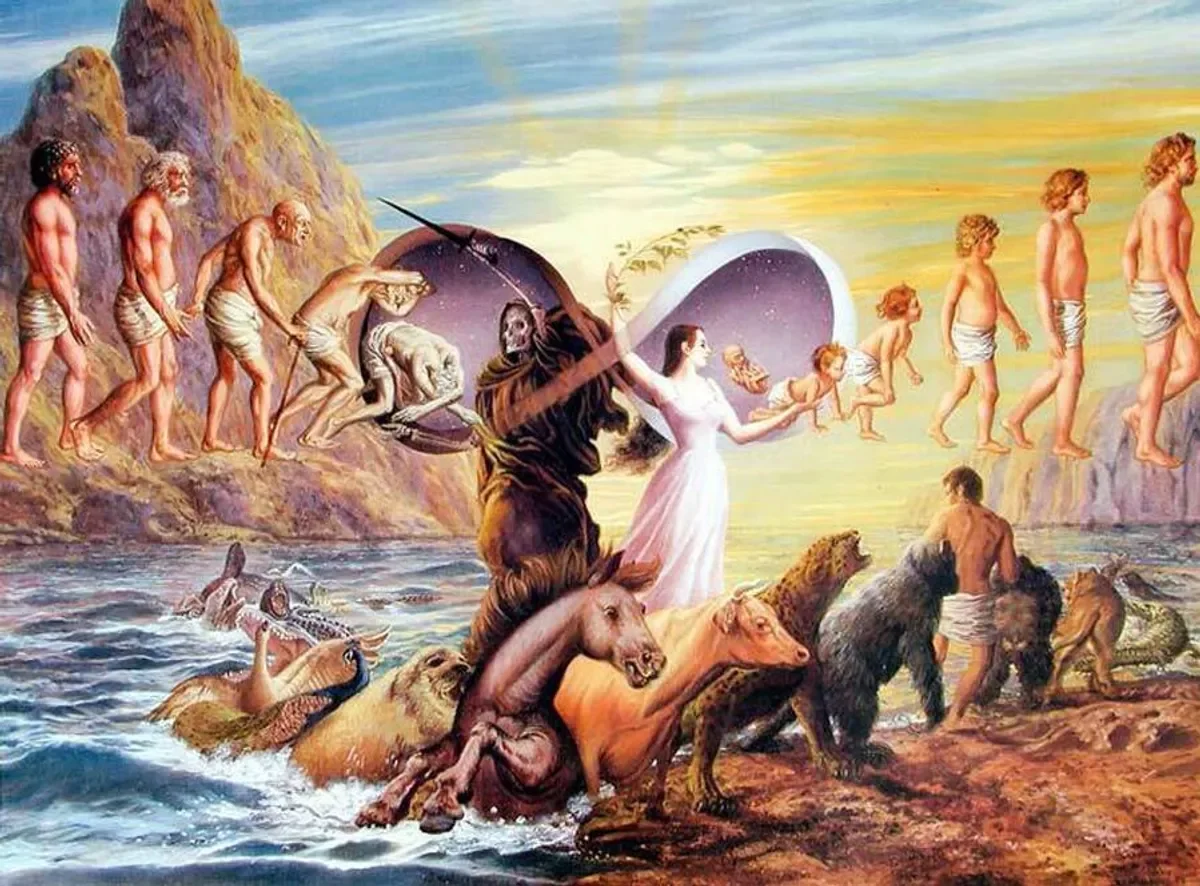
〰️ 3 x objects for your AR+ desert island •
〰️ 3 x objects for your AR+ desert island •
A symbolic illustration about the cycle of life and death
It shows human ageing, death personified as a grim reaper, an infinity symbol, birth, and animals emerging from the sea. It looks like an allegorical or spiritual artwork about evolution, mortality, and rebirth.
A Sudoku puzzle
A standard 9×9 Sudoku grid with some numbers filled in and the rest blank.
A directional sign concept about time
A wooden signpost with arrows labelled Past, Present, and Future against a blue sky. It is a conceptual image about time, choice, or perspective.




〰️ 3 x UNSDGs for your AR+ desert island •
〰️ 3 x UNSDGs for your AR+ desert island •
GMT20260322-080107 — Consolidated transcript
Joff (0:00 - 0:15)
yeah hey hey hello yeah almost didn't get the chance again yeah no stress yeah sorry i didn't make it this afternoon what are you guys doing
HA-HA (0:15 - 0:24)
uh i'm at lucy's place oh yeah what what and what degrees is it? I don't know you have to ask Ethan
Ethan (0:24 - 0:34)
i think it's like it's got to be like 30. oh yeah 28 so 28 yeah
Joff (0:34 - 0:52)
good good oh no brilliant brilliant so um first of all did i miss anything today uh no nothing new no are you cool okay now um so guys have had those questions?
Ethan (0:54 - 1:00)
eh uh i sent them to Reagan just then because i think they're a little different than what he's been reading
HA-HA (1:00 - 1:15)
oh yeah i i did that form uh with the youtube clips and stuff like that i sent it off the other day oh did you yeah and it was like um some other stuff i can't
Joff (1:15 - 3:44)
remember yeah um hdgs and all that sort of stuff yeah that's it and so it would have come into my squarespace um i think oh i might have to get you to do it again but um okay so you guys are aware that this is about um um this is the castaway interview questionnaire and it's the project is investigating the role of user interaction and the suspension of disbelief within ar i'm the researcher um i'm your researcher um the context is practice based research proposal and desert island ar worksheet right yeah in the introduction for you guys this interview is part of a practice-based research project exploring how interaction and augmented reality affects our abilities to suspend disbelief the following questions are tailored to your specific project you're interested in
understanding the role of user interaction and the implementation of this belief within ar i'm the researcher um i'm your researcher um i'm your researcher um the context is
practice-based research proposal and desert island ar worksheet right yeah in the introduction for you guys this interview is part of a practice-based research project exploring our interaction and augmented reality affects our abilities to suspend disbelief the following questions are tailored to your specific project the following questions are tailored to your specific project um and your desert island selections the interview is intended to last 20 or 30 minutes with additional time to discuss your specific desert island items music and stories is that cool yeah yeah cool by the way Ethan i'm probably going to get you to do your Eyes as well oh yeah sweet different context right and so the first question is for HA-HA artist Matt participants are Regan Tamanui it's that guy and it says HA-HA straight after that and um and Ethan Whimsett so the first question now these are not actually questions just so you know they're provocations right so it's just it's just sort
of just blah off whatever you think the first thing is the mechanics of belief humour and disruption right yeah the HA-HA app uses humour and satirical um interventions to activate public space how does the surprise or the punch line of an ar encounter affect the user's suspension of disbelief is it easier to believe in a digital intervention when it is playful and subversive
HA-HA (3:44 - 6:02)
rather than purely functional uh yeah uh i personally think that like um uh like this technology is kind of is definitely new so like you've got all these um people having a new experience um you could even say um it's a temporary life experience through art and they use the app engage with the robot or the asset um and uh because a lot of these people have never used um or never engaged with ar before it's uh definitely like um a new experience like when i first look uh looked at some of this uh ar stuff i was kind of like blown away
and even like comments from people um who have seen stuff that i've posted online uh in social media the um uh there's a lot of people saying oh hey congratulations that's really good this is the best art or i've never seen this before all this kind of stuff and um it's uh for me i think it's interesting to see how it will go in the not too distant future uh but yeah definitely um like um for example we're doing uh robots um and they're interesting it uh only due to the fact that i i did these robot stencils years ago like 20 years ago and um like 2002 i think and it's kind of like i'm re visiting these uh robots but in a different uh context like through digital art and um i think um like it's definitely a learning experience and um like uh i've never really done anything with uh computers before and now i've started doing stuff with uh digital art and um doing animations using ai all that kind of stuff and then giving stuff to even uh and he's has a play around with uh or perfecting whatever it is that i'm uh trying to portray i think a lot of people out there definitely um relate to like um humour like there's a lot of negativity in the world at the moment so a bit of um humour is always good
Joff (6:02 - 6:59)
you've been at the forefront of um i'm going to keep on this um tip for a little while um and um but you've been at the forefront of you were at the forefront of stencil art um way back into it's not even that long ago hey bro for us because we're kind of getting older but um when when when when uh um when when Ethan was a young fella um you know so we're talking 25 years ago um yeah you were at the forefront of the stencil uh movement then oh yeah yeah it's definitely yeah yeah totally and so this is this is i sort of if anything that relates to that and the whole because even in those days it was about there was humour involved eh that's that's where the HA-HA i mean in fact HA-HA was kind of an irony thing wasn't it
HA-HA (6:59 - 7:42)
oh yeah pretty much it's like um i actually um used to uh like back in the day i used to say comments and then i'll go HA-HA obviously right now some months and one of my mates this uh graffiti artist he goes hey you should write HA-HA and that's how that happened um and um yeah i think back then i was i didn't really know what i was doing i was just going down the streets and bombing pretty much uh stencils and never didn't even think that like uh it would evolve to what it is now in regards to the robots so like uh um when i look back on that i was uh i consider myself like a pioneer
Joff (7:42 - 7:56)
yeah uh just pushing stencils to the limits and and now you're pioneering um um geospatial ar you know yeah yeah which which leads me into the next question Ethan did do you want to add anything to that man or...
Ethan (7:56 - 8:45)
um yeah so i guess like uh it's a it's slightly different um that the digital um adaptation of it of like um riffing off the idea of straight out and uh but it is a different medium so it's uh kind of interesting to see uh that interplays like uh i guess like um the audience you know they gotta have a humorous side um to like uh appreciate it and uh it's also kind of tied into this idea of technology and technology is a bit different these days like um some people have feelings about it, but it's cool to do a humorous or weird take on it all.
Joff (8:45 - 8:57)
Yeah, I hear that. I also think the premise behind it, we were talking the other day, Regan, about, oh, I feel like I should call you HA-HA in this context section.
HA-HA (8:57 - 8:59)
Oh, yeah, totally.
Joff (8:59 - 9:28)
Yeah, let me restart that. We were talking the other day, HA-HA, about the two cans a night, you know, and it was like, so in a lot of ways, that's what I see. I see you're following. We're trying to emulate what happened at that stage, and that's been really interesting to me in this whole journey of how it's going and propagating the world with these robots
HA-HA (9:28 - 9:31)
in the same way, you know, same premise.
Joff (9:31 - 10:02)
Hey, look, I'll move on to provocation two. Cultural and spatial anchoring, geospatial play. Your work is often location aware, appearing in streets and parks across 150 or more countries. How does the specific context of the stumbled upon location, like a Melbourne laneway or a Perth park, act as the anchor for the AR? Did that make much sense?
HA-HA (10:02 - 10:04)
I can come back. We can discuss that if you want. Yeah.
Joff (10:04 - 10:14)
So it carries on. If your desert island was a specific urban environment, how would your AR interventions claim that space?
HA-HA (10:14 - 12:48)
So, like, firstly, like, in regards to location-based stuff, obviously, there's a lot around, and the cities that I do know that I've been to and placed all this stuff, it's, they are kind of, like, they do, like, for example, Hosea Lane has a historical context in that it has, it was nothing, but it was nothing down the laneway back in, like, 2001, 2002, just a few random tags and a shitload of advertising posters. Yeah. And that evolution of... Hosier Lane to be, like, this massive street art kind of capital where the war, where a graffiti piece doesn't last more than, like, three or four hours and someone else comes and paints. But anyway, like, it's, I think it's the same principle of, like, using the AR location-based and bombing. So, like, you're putting stuff in areas that have a history of graffiti and also, like, I've personally done stuff back in 2002, 2003 down that laneway, and now it's, like, 20 years later, it's all digital now, which is interesting. In regards to other countries around the world that I've never been to, they are all sourced from jumping online on Google Street View and just looking at locations on there that can be used that look... Yeah. ...like a high profile kind of area or high traffic, foot traffic area, so you've got people going through. And I've also got a couple of friends overseas who go take photos for me as well, just to, like, pimp out the app pretty much. In regards to the desert island. Yeah. Yeah. Yeah. So, yeah. The... Let me have a think for a sec. What did I put? Oh, I should have printed it out, but it's all good. I'll get back to that in a sec. I'll just see if I can find it. Maybe Ethan wants to answer something.
Ethan (12:48 - 12:57)
Well, yeah, like, now that we can kind of chuck your stencils up anywhere, well, whether... Oh, that's wonderful.
HA-HA (12:57 - 12:58)
...you're doing it within reason.
Ethan (12:58 - 13:32)
But, like, say you've got, like, your Lotus spot, for example, which is sort of like a peaceful meditation type of idea, and you, for instance, chuck that in, like, a park, or a beach, or something that's sort of serene, and then there's other contexts where, like, you're sort of... You're juxtaposing these different pieces in their environments, so they're sort of, like... You sort of take them on a trip, in a way.
HA-HA (13:32 - 13:33)
Oh, yeah?
Ethan (13:33 - 13:34)
Okay, right.
HA-HA (13:34 - 16:44)
Yeah. Oh, yeah, yeah. Let me think. The songs that I picked for that desert island were... One was a past life regression meditation. I don't know if I'm jumping into the next question. So there's past life meditation, I think there was one that was om chanting, and there was a song by this African electronic band called Fula Musica, which is, I don't know, I don't know if you've heard of it, but... Which I found quite interesting. But the meditation one was, like, about being in multiple locations, whether it's physically in an AR environment, and also in a meditative environment, like, say, if you're doing past life regression, you're going back to past life experiences, so you're simultaneously experiencing three realities at once, if you know what I mean. Yeah. And the robots are kind of like a future perspective, like, will robots be helping humanity? Will humans be uploading their consciousness to a robot? Will we be cyborgs? All that kind of stuff. Yeah. So the robots kind of... And in that context, to the desert island, it's kind of like a metaphor for that. And same with the om chanting is just like, you know, finding peace within yourself with two letters, O-M, which I think I was talking to Ethan about it. It's kind of like binary code, one and zero, but O and M, so it's like, om, om, which could be like a binary code, which also could be like the language of robots, in a matter of speaking, if we're just talking about robots. And also, that song, I can't remember what it's called, actually. It's a famous one. Well, actually, it's not really that famous, unless you know, like, the African digital music. This is where people pretty much dress up like robots. Yeah. And they're just doing, like, African beats, pretty much, like, drumming beats, all that kind of stuff, and then singing like the typical African way. Yeah. I find that quite interesting, that it's kind of like people imitating, like, maybe a robot, for example, by dressing up as a, like, a digital, like, robotic cyborg human. Oh, and have you seen them?
Joff (16:44 - 16:47)
No, not yet.
HA-HA (16:47 - 16:48)
I think I've showed Ethan.
Joff (16:48 - 16:49)
Yeah.
HA-HA (16:49 - 16:51)
Some of those African stuff.
Joff (16:51 - 16:54)
Is it modern?
HA-HA (16:54 - 16:55)
Yeah.
Joff (16:55 - 16:56)
Oh, yeah, cool.
Ethan (16:56 - 16:58)
I can't remember.
Joff (16:58 - 17:01)
But it says, dudes, I've got like keyboards.
HA-HA (17:01 - 17:06)
Some of them really look like some psychedelic robot.
Ethan (17:06 - 17:07)
Yeah, yeah.
Joff (17:07 - 17:14)
Hey, we might have hit into the last provocation, but that's cool.
HA-HA (17:14 - 17:15)
Yeah.
Joff (17:15 - 17:22)
Should I move on to the next one?
HA-HA (17:22 - 17:25)
Can you say that question? Oh, yeah, okay. Yeah, yeah, easy.
Joff (17:25 - 17:38)
Yeah, the next one is HA-HA interventions are often shared reality and social presence. HA-HA interventions are often social micro performances. Does that make sense?
HA-HA (17:38 - 17:40)
Micro performances, yeah.
Joff (17:40 - 18:12)
HA-HA interventions are often social micro performances. When a group of people stumble upon a digital artwork together, how does the collective reaction reinforce the sense of digitality? Does the spontaneity of the encounter make the digital elements feel more like a natural part of the physical world? And I think part of the reason I asked you this question was because of the workshops and the trails that you've been doing, the AR trails.
HA-HA (18:12 - 18:13)
Yeah, yeah, easy.
Joff (18:14 - 18:17)
And people were seeing things for the first time collectively
HA-HA (18:17 - 18:19)
and I was looking at the photographs and stuff.
Joff (18:19 - 18:32)
So, yeah, it's kind of – so, again, how does the collective reaction reinforce the sense of digitality? Does the spontaneity of the encounter make the digital elements feel more like a natural part of the physical world?
HA-HA (18:32 - 20:40)
Yeah, yeah, there's a lot of – what's the word? Like there's a lot of options out there. So, for example, like a person – you've got social media, you've got like a mobile device that people can show photos to their friends and then you've got the website and the app. So, like the fact that like – well, from my perspective anyway, people who – like, for example, when we first started doing this, I was getting Ethan to take photos of me with a robot and putting that on social media and when I do these trails, for example, the pop-ups and people are totally blown away. They know how to use the app now and it's usually their first experience with AR. And I think like those interactions where people take a photo or a selfie or get a friend to take a photo of them with a robot or whatever and then putting that on social media. onto social media it's um it's kind of like a uh powerful kind of thing um uh okay i can't think of the word but anyway like um even the workshops are good because um people are creating art as a stencil for example and um then that artwork gets um turned into um augmented real uh an augmented artwork or asset and um the it's um just the um expressions on people's faces they uh tell like uh i don't know it's like you know that they're totally over the totally over over the moon about like um their stencil that they've cut out the physical stencil and then augmented stencil is like another uh whole different layer yeah right so the transformation
Joff (20:40 - 21:18)
transformation is something that transformation that's it yeah they they know they know that they've helped create that they've physically created they've had a hand on it um is it i mean um i bump in here as we want ethno but it's that seems to me like it's um um it's part of part of the process of um i'm just gonna plug the um computer different process actually a different process i to the pop-ups where people are actually you know um experience experiences for the first time
Ethan (21:18 - 22:06)
that's part of it but yeah like um yeah the pop-ups the trails we go on it's uh like often it will coincide with a new release of a robot with an artist and um often they'll be on this trail and um they get to experience it alongside with their friends and things and it's cool because everyone has a chance to experience it and it's cool because everyone has a chance to experience it and it's cool because everyone has a chance to experience it and it's cool because a mobile device that can all look at the same point yeah and um talk about it pose in front of it and then there's members of the public that are sort of like looking around like what are you guys looking at like um you know i had to explain oh there's uh there's a this virtual thing in this certain spot um yeah and you can check out you can check it out through this uh through this app
Joff (22:06 - 22:15)
yeah yeah yeah yeah like and the like and the wonderment of that hey it's kind of it's kind of cool actually being the
Ethan (22:15 - 22:22)
when it's social it's like it's uh you know it legitimizes it in a way more like it's like
Joff (22:22 - 22:49)
beautiful statement ethan thank you when it's social it legitimizes it makes it more satisfying these are um yeah this is very much i'm just i mean i'm validating a whole lot of things of course you guys know that but it's like yeah yeah the insights are really worthwhile so my last
Ethan (22:49 - 23:03)
i'll just also note like um a lot of people experience it through social media you know it's like they can't be in the uk or whatever but they see it's there you know um that's another way
Joff (23:03 - 23:39)
to experience it i suppose but um yeah and i mean as Reagan said that also sharing it is really important right yeah yeah them taking a photograph or having a photograph of them with with a robot yeah i get it no i i mean it's interesting that you were able to um um you're able to you know reflect on that as well reagan that when you first started doing this you got ethan to take photographs of you with robots oh yeah yeah totally hey i'm like i remember those you know yeah that's right
Ethan (23:40 - 23:45)
totally they're still in that direction i don't know it looked down a little bit
Joff (23:45 - 24:26)
yeah yeah yeah no that's brilliant absolutely brilliant hey okay so um the last provocation is about the castaway message so um you have a long history of guilty of art a creative disruption how does the message you've embedded in your ar island reflect this philosophy i think you might have gone across this but i don't mind you going over it again yeah yeah if a visitor were to experience your island in ar how would the interaction model you've developed for the HA-HA app guide them to see the world differently
HA-HA (24:26 - 25:19)
yeah i think it's um like uh to be honest like um ar is a totally new thing and um like it can be used uh like i can see the potential of um um ar for a lot of things um and i think um everyone's experience will be different uh so my um island experience is more of a um kind of like a self-reflective kind of island where you um experience um it's um let me have a think for a sec like for example um i think there was a list with um a lot of things on for the, what was that list called again? The one with no poverty, no... Oh, SDGs.
Joff (25:19 - 25:26)
United Nations Sustainable Development Goals. Yeah, yeah.
HA-HA (25:26 - 27:31)
So I see the robots and even the portraits and stuff like that or whatever AR stuff we're doing, the collaborations, shrines and all that, they're kind of like leaning towards some type of spiritual, like a digital spiritual kind of island, if you know what I mean. Like there's a lot of things like let me have a think. Like the experience would be kind of like transcending or something along those lines. And whatever that is, I'm not too sure whether humanity is transcending to the digital age, for example. So this would be kind of like a religious thing where people, it's kind of like a cult from my perspective. And people when robots live in harmony or people worship technology and like all the positive aspects of technology. Yeah. Like, for example, there's a one robot that the OG robot shoots out, Love Hearts. And that's kind of like, it kind of reminds me of like, just instead of being a war, like aggressive robot, for example. Why can't robots be loving? Or, yeah, sorry, this is the hippie in me coming out.
Joff (27:31 - 27:33)
No, it's interesting, actually.
HA-HA (27:33 - 28:07)
And obviously, like robots are going to replace doctors. They've already become autonomous drivers. Like those are autonomous vehicles. They're all robots. Well, I think they are. Like even walking around Singapore, there's like robotic cleaning machines that cruise around the streets early in the morning. And that's all positive stuff. Like even though they've replaced jobs of humans, humans can go off and do other things like get into air or be more creative.
Joff (28:07 - 28:10)
Interesting.
HA-HA (28:10 - 28:27)
Yeah. Um, so I think like the island is all about like saying the positive stuff, maybe in technology or in robots. Yeah, interesting. Yeah.
Joff (28:27 - 28:47)
Yeah, I see. I hear what you're saying, and part of the thing for me is that I think that's the thing that's really important. And this is specifically with your work and why I wanted to get involved with you from an early stage, was the ethic. There's a work ethic for a start.
HA-HA (28:47 - 28:48)
Oh, yeah, yeah.
Joff (28:48 - 29:07)
But at the same time, there is that humor and there's a whole lot of other ethical questions that seem really basic and simple. And, and, and, and, and, and, and, and, and, and, and
possibly not even relevant, but they are.
HA-HA (29:07 - 29:08)
Totally.
Joff (29:08 - 29:38)
Yeah. Yeah. You know, it's, there's a simplicity behind it. There's, there's, it's a relevant ethic. Yeah. Yeah. Um, so, yeah, I, I, that's, that's how I relate to what you're just saying about, about that. It's, it's, um, I get it. Um, pretty deep the way you're approaching it, though. Oh, yeah, yeah. Well, you know, art is interesting, isn't it? Yeah. What is, what is, what is art?
HA-HA (29:38 - 29:40)
Anyway, who knows?
Joff (29:40 - 29:41)
Yeah.
HA-HA (29:41 - 29:44)
Yeah. Ethan, what you got to say?
Ethan (29:44 - 30:52)
Oh, yeah. I was just thinking, that made me think about, a little bit about, like, how people relate to the digital medium, you know, or, like, technology. And, um, yeah. Yeah. I don't know I guess there's like this feeling that um I don't know like with social media and stuff like it's a bit um throwaway like um people like it's got these associations with like short-term gratification and  things but uh it could be it could be a tool for empowerment you know for um reflection um you know a bit more um looking inwards or or a social space where people are um contributing to like um like with the HA-HA app there's also this mode called um we spray stencils Regan stencils and that's just had a recent upgrade recently and um yeah like uh there's there's this um idea of um people people participating in the creation
Joff (30:52 - 32:07)
yeah from and from our point of view I mean working with Regan has been one of those sort of situations where um you know it's almost whimsical way right but the reality of it is that it's grounded us for a whole lot of functionality and um you know like like even even just of stuff you're talking about now and the persistent AR and the concepts of persistent AR. So, you know, just on the basis of it being whimsical, we've been able to study all these things and this is where this study comes from, the suspension of disbelief, you know. It's like, I mean, to be honest, I'm really saying I mean, the suspension of disbelief is something that I don't think you can measure, you know. It's a subjective thing. Yeah, totally. It's up to, I mean, it's just like, are you able to, are you, you know, some people can be hypnotized and some people can't, you know, and it's like, it's up to the individual in a lot of ways.
Ethan (32:07 - 32:14)
And yeah, like working with Regan, like he's super open.
Joff (32:15 - 32:16)
Yeah.
Ethan (32:16 - 32:18)
He wants to explore, you know.
HA-HA (32:18 - 32:20)
Damn straight.
Ethan (32:20 - 32:22)
So, all good.
Joff (32:22 - 32:34)
Yeah, yeah. No, it's been, it's been pretty out of it. I'm trying to look for this form, though. I can't find the form from you, Regan.
HA-HA (32:34 - 32:43)
I clicked the submit button. Do you remember which ones you did? Yeah, that form that you sent.
Joff (32:43 - 32:54)
Yeah. Yeah. But do you remember which, what things you had? What's that? Do you remember what things, what things you chose?
HA-HA (32:54 - 32:59)
Yeah. Yeah. Let me have a look at that form again. It's, I chose.
Joff (32:59 - 33:06)
I can't find it. Normally, normally it would go straight into my Squarespace.
HA-HA (33:06 - 33:14)
Yeah. No, no poverty, good health and wellbeing. And the education one, quality education.
Joff (33:14 - 33:19)
Look, I'll have a look. And if I can't find it, I'll try and hit you up to, you're working
HA-HA (33:19 - 33:22)
to it, right? I'll do it again. It's easy to do it. Yeah.
Joff (33:22 - 33:26)
Thanks, brother. I'm really interested to see the African thing now.
HA-HA (33:26 - 33:34)
Oh, yeah. Yeah, I'll find it. Give me a sec. Yeah, it's a movement.
Joff (33:34 - 33:40)
At that point, I'm going to, I'm just going to end the, end the thing. Won't be a sec. Here we go.